Level One Autism: Meaning, Symptoms, and Support Needs
Level one autism is a way of describing autism spectrum disorder when a person needs support, but may speak fluently, manage many daily tasks, and be easy to overlook. That can be confusing if you are an adult, a parent, or someone wondering why social situations, sensory input, routines, or burnout have always felt harder than other people seem to expect. This guide explains what level one autism means, common traits in adults, girls, and women, how it differs from level two autism, and what supportive next steps can look like. If you are organizing your own observations, an autism self-screening starting point can help you reflect before speaking with a qualified professional.

What Does Level One Autism Mean?
In DSM-5 language, autism support levels describe how much support a person currently needs in two broad areas: social communication and restricted or repetitive patterns of behavior, interests, routines, or sensory responses. Level 1 is commonly summarized as "requiring support."
That phrase matters. Level one autism does not mean "barely autistic," and it does not mean a person has no real challenges. It means their support needs may be less visible than those of someone described as Level 2 or Level 3. A person may hold a job, do well in school, speak in full sentences, or maintain relationships, while still struggling with conversation flow, transitions, sensory overload, planning, emotional regulation, or exhaustion from masking.
Many people who previously used the term Asperger's syndrome are now described under autism spectrum disorder. Some may also hear phrases such as high-functioning autism, autism level one, or level one autism spectrum disorder. Those phrases often point to similar experiences, but "high-functioning" can hide real support needs. A person can look capable in one setting and feel overwhelmed in another.
Autism Level 1 Symptoms in Adults, Girls, and Women
Autism level 1 symptoms can be subtle because many people learn to compensate. Instead of obvious outward difficulty, the signs may appear as fatigue, avoidance, anxiety around change, or a long history of feeling different without knowing why.
Common level one autism traits may include:
- Difficulty reading indirect social cues, tone, facial expressions, or implied expectations.
- Conversation patterns that feel intense, one-sided, overly careful, or hard to maintain.
- Strong preference for routine, predictability, clear rules, or advance notice.
- Deep interests that bring focus, joy, expertise, and a sense of order.
- Sensory sensitivity to noise, light, textures, smells, crowds, or competing inputs.
- Trouble switching tasks, planning multi-step work, or recovering after interruptions.
- A tendency to rehearse conversations, review social mistakes, or mask discomfort.
These traits are not a checklist that proves anything by itself. They are patterns to notice. A formal clinical assessment looks at development, current functioning, sensory experiences, repetitive or restricted patterns, and how these experiences affect daily life.
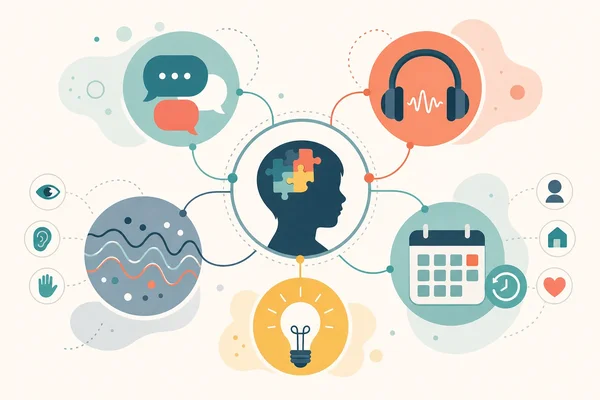
Level One Autism in Adults
Level one autism in adults often shows up as a long-running mismatch between outer competence and inner effort. You may be seen as independent, intelligent, quiet, blunt, intense, shy, or perfectionistic. Inside, you may spend a lot of energy monitoring facial expressions, choosing the "right" words, tolerating noise, or recovering after meetings.
Adult signs of level one autism can include social burnout after ordinary interactions, a strong need for alone time, difficulty with vague workplace expectations, literal communication, sensory stress in busy environments, and intense distress when plans change suddenly. Some adults first explore autism after learning about masking, sensory overload, ADHD overlap, or autistic traits in women.
Level One Autism in Girls and Women
Level one autism in girls and women can be missed when traits are hidden behind social imitation, people-pleasing, quietness, or high academic performance. Some girls learn scripts, copy peers, force eye contact, or suppress stimming because they are trying to stay accepted. This can make their distress less visible to parents, teachers, partners, and even clinicians.
In adult women, level one autism may appear as chronic exhaustion, intense preparation before social events, difficulty maintaining friendships that depend on unspoken rules, sensory overwhelm, or a feeling of performing a socially acceptable version of oneself. The goal is not to force every experience into an autism label. The goal is to understand patterns kindly and gather enough information for a thoughtful next step.
Level One vs Level Two Autism
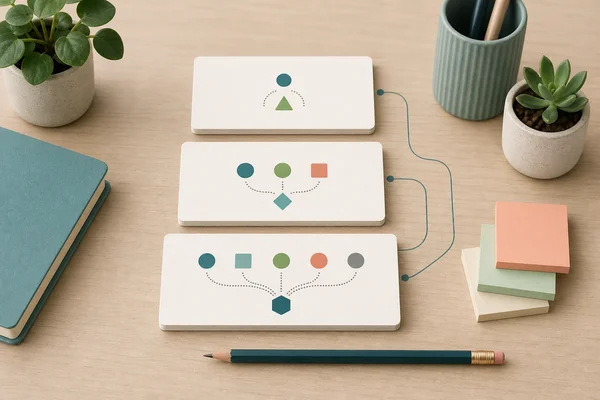
The difference between level one and level two autism is mainly about support intensity, not personal worth, intelligence, or potential. Both levels can involve social communication differences, sensory needs, routines, restricted interests, and difficulty with transitions.
| Area | Level One Autism | Level Two Autism |
|---|---|---|
| Support description | Requires support | Requires substantial support |
| Social communication | Challenges may be noticeable without support, but speech can be fluent | Social differences are often more apparent even with support |
| Routines and flexibility | Changes can interfere with daily functioning | Restricted or repetitive patterns may disrupt more settings |
| Independence | Many tasks may be possible with planning, accommodations, and recovery time | More direct or consistent support may be needed |
| Visibility | Often missed, masked, or misunderstood | Often easier for others to notice |
Support levels can also change by context. A person may appear Level 1 in a calm, predictable environment and need much more help during stress, burnout, sensory overload, grief, illness, or major life changes. The level label is a snapshot of support needs, not a full picture of a person.
Is Level One Autism a Disability or Special Needs?
Many readers ask, "Is autism level 1 a disability?" The practical answer is: it can be, depending on how the person's traits affect daily life, school, work, communication, sensory regulation, and independent living. Autism is recognized in many disability and accommodation contexts, but eligibility for services, school supports, workplace accommodations, or benefits depends on documentation, functional impact, local rules, and professional records.
"Special needs" is also a context-dependent phrase. A child or adult with level one autism may need special education support, testing accommodations, workplace adjustments, sensory modifications, coaching, therapy, or structured routines. Another person with the same level label may need different supports. The label alone should never be used to decide what someone can or cannot do.
For SSI or other disability-related benefits, level one autism by itself is not enough to predict an outcome. Programs usually consider functional limitations, financial rules, records, and how symptoms affect work or age-appropriate daily activities. A benefits specialist, school team, healthcare provider, or local disability office can help interpret requirements for your situation.
When a Level One Autism Test Helps, and What It Cannot Tell You
A level one autism test or self-screening questionnaire can be useful when you want language for your experiences. It can help you notice patterns, prepare examples, and decide whether a formal evaluation may be worth discussing. A self-screening tool can also reduce the "maybe I am just imagining this" feeling by turning vague memories into organized observations.
At the same time, a quiz is not a professional evaluation. It cannot determine your full clinical picture, separate autism from anxiety or ADHD, measure support needs across every setting, or account for medical, developmental, cultural, and trauma-related factors. Use the result as a reflection aid, not as a final answer.
If you want a gentle place to organize your thoughts, the Aspie Quiz self-reflection tool can help you compare experiences such as sensory sensitivity, social communication style, routine needs, and masking. After that, you can bring your notes to a qualified professional if the patterns feel important.
Practical Support for Level One Autism in Daily Life
Support for level one autism is often most helpful when it respects both strengths and strain. Instead of trying to become less autistic, many people benefit from changing the environment, clarifying expectations, and building recovery time into the week.
Useful supports may include:
- Written instructions for tasks that are usually explained verbally.
- Predictable routines with flexible backup plans.
- Noise-reducing headphones, softer lighting, or lower-stimulation workspaces.
- Clear meeting agendas, direct feedback, and fewer ambiguous social demands.
- Breaks after high-input settings such as commuting, shopping, classes, or group events.
- Scripts for recurring conversations, requests, or boundary-setting.
- Interest-based motivation, structured calendars, and visual planning tools.
For adults, support may also mean being honest about energy limits. Social success should not be measured only by how well you appear to blend in. If a person can attend a party but needs two days to recover, that recovery cost is part of the support picture.
For children and teens, support often works best when adults watch for hidden effort. A child who behaves well at school but melts down at home may not be "fine all day." They may be holding themselves together in a demanding environment and releasing stress later. Clear routines, sensory breaks, and respectful communication can help.
A Gentle Next Step for Self-Understanding
Level one autism is serious enough to deserve support, and flexible enough that support can be deeply personal. You do not need to wait until everything falls apart before taking your experiences seriously. Start with patterns: What drains you? What helps you recover? Which environments make your strengths easier to access? Which social rules feel confusing, costly, or unclear?
You can write down examples from childhood, school, work, relationships, sensory settings, routines, and burnout. You can ask trusted people what they have noticed. You can also use a private ASD traits reflection quiz as one part of that self-discovery process. The most useful next step is not a rushed label. It is a clearer, kinder understanding of what support would make everyday life more workable.
FAQ
What exactly is level 1 autism?
Level 1 autism is a DSM-5 support-level description for autistic people who require support, especially with social communication, flexibility, routines, sensory needs, organization, or transitions. It is often less visible than Level 2 or Level 3, but it can still affect daily life in meaningful ways.
Is level 1 autism still serious?
Yes. Level 1 means support is needed. It does not mean the person is unaffected. Some people manage school, work, or relationships while privately dealing with burnout, sensory overload, anxiety around change, or exhaustion from masking.
Does level 1 autism get better with age?
Autistic traits do not simply disappear with age, but many people gain self-understanding, coping strategies, supportive relationships, and better environments over time. Life may feel easier when support matches the person's actual needs.
Is level one autism the same as Asperger's?
Not exactly, but there is overlap. Asperger's syndrome is no longer a separate category in DSM-5. Many people who previously used that term may now be described under autism spectrum disorder, often with Level 1 support needs.
What does level one autism look like in adult women?
It may look like social masking, careful imitation, people-pleasing, sensory overwhelm, intense preparation before conversations, burnout after social events, strong interests, or feeling different despite appearing capable. These patterns vary widely from person to person.
Is level one autism a disability?
It can be. Whether it is treated as a disability in school, work, benefits, or accommodation settings depends on functional impact and the rules of that setting. The level label alone does not decide eligibility.
What is the difference between level one and level two autism?
Level one usually means support is needed, while level two means substantial support is needed. Level two traits are often more visible and may interfere with more settings, but both levels deserve respect, practical help, and individualized support.
Should I use a level one autism test?
A self-screening quiz can help you organize observations and prepare for a professional conversation. It should be used as an educational reflection tool, not as a final answer about your health or support needs.