Is Asperger's Genetic? Heredity, Environment & Next Steps
If you’ve searched is asperger's genetic, you’re usually looking for a clear, steady explanation—not a label. This guide breaks down what a genetic link can mean, why it’s rarely one simple cause, and how environment can shape day-to-day experience. You’ll also get two practical tools: a reflection checklist and a step-by-step plan for what to do next.
This is educational content for self-understanding. It can’t diagnose Autism Spectrum Disorder or replace a professional evaluation. If you want a structured way to reflect while you learn, you can explore the AspieQuiz self-assessment tool as a guided self-exploration resource.

What Science Says When You Ask Is Asperger's Genetic
When people ask whether Asperger’s traits are genetic, most explanations point to a strong genetic influence. However, “genetic” does not mean “single cause” or “guaranteed outcome.” Instead, it usually means many small influences can shape development.
A simple way to think about this is: genes can affect how a nervous system processes social cues, sensory input, and change. Then, life context can affect how stressful or manageable those traits feel.
A Quick Note on Terminology: Asperger's and the Autism Spectrum (ASD)
You’ll often see “Asperger’s” discussed under the broader Autism Spectrum Disorder umbrella. That’s why sources about heredity often use autism-spectrum language, even when your search term uses Asperger’s.
If that shift feels disorienting, it helps to remember it’s a naming and classification change. It is not a statement about your character, your effort, or your value.
The Evidence from Twin Studies in Plain Language
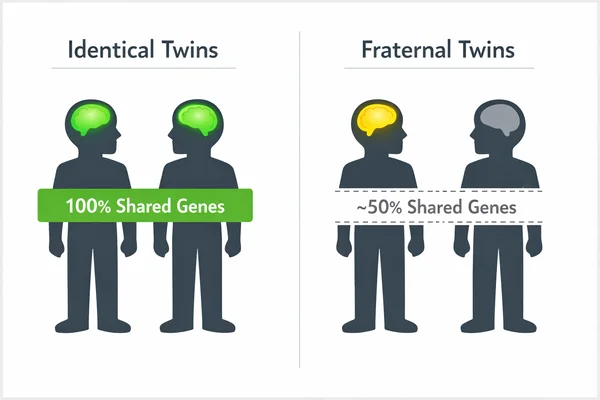
Twin studies are one reason many articles describe autism-related traits as highly heritable. Identical twins share more genetic material than fraternal twins. When identical twins show more similarity in autism-related traits, it supports the idea that genetics matter.
At the same time, genetic influence is not a promise that two people will present the same way. Differences still happen, which is one reason the conversation stays nuanced and practical rather than absolute.
What Family and Population Patterns Can and Cannot Tell You
Family patterns often trigger the question in the first place. You might notice overlapping themes such as:
- intense focus or strong special interests
- sensory sensitivity
- direct communication
- a strong preference for routine
Still, a family pattern is not a simple blueprint. Different relatives can share parts of a profile while having different coping styles, different support, and different levels of stress. As a result, looking for “one inherited trait” can be less helpful than noticing which needs repeat across contexts.
Is Asperger's Genetic or Environmental
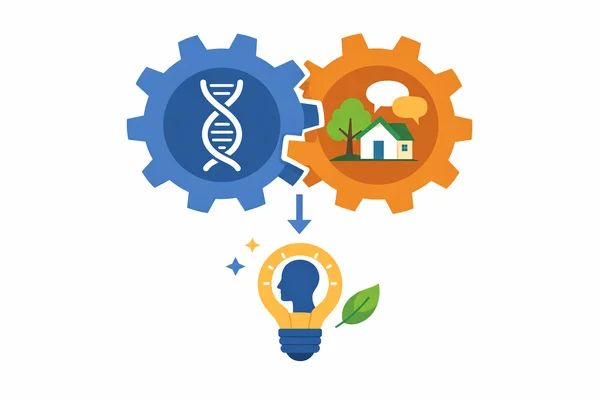
Many people move from the genetics question to another: is it genetic or environmental? Most explanations treat it as both—often with genetics described as a major influence and environment shaping how traits are expressed and supported.
In everyday terms, the inheritance picture is usually described as polygenic and multifactorial. That means many small influences can add up, and outcomes can vary widely from person to person.
Is It Inherited from the Mother or Father
A common worry is whether traits come from the mother or the father. Most discussions do not point to one parent as the single source. You inherit genetic material from both parents, and different combinations may contribute in different ways.
So if your search is “from mother or father,” a kinder and more accurate frame is: it’s typically not a single-parent story. It is also not a blame story.
How Environmental Factors Can Shape the Outcome
Environment does not mean “someone caused it,” and it does not mean “parenting created it.” Instead, it includes the conditions that raise or lower daily load.
For example, sensory sensitivity can feel very different depending on:
- noise levels at home or work
- predictable versus unpredictable schedules
- whether communication is clear or constantly implied
- access to recovery time after social effort
Because of this, two people can share similar traits yet experience very different levels of burnout. In short, context can change impact even when traits feel stable.
Why There Isn’t a Single Autism Gene
It’s understandable to hope for one clear “gene answer.” However, most explanations of autism genetics describe a complex picture. Different combinations of influences can lead to similar traits, and two people can look similar on the outside while experiencing different challenges on the inside.
This matters because it sets realistic expectations. Genetics can support understanding, but they rarely provide a one-step shortcut to certainty.
From Science to Self: What a Genetic Link Means for You
After the research, many people land on a personal question: what does this mean for me or my family? The most useful shift is moving from cause to impact. Instead of trying to solve the origin story perfectly, you can focus on what helps you function and recover.
If you’re unsure where to begin, structured self-reflection can turn vague concerns into clear patterns. Then, you can choose supports that match your real life.
A Non-Diagnostic Reflection Checklist
Use this checklist to organize your thoughts without turning it into a label:
- When do social situations drain you most, and what is the setting like?
- Which sensory inputs spike stress quickly (noise, light, touch, crowds)?
- What communication style feels easiest (direct, written, planned)?
- What helps you recover after overload (quiet time, movement, routine)?
Next, pick one item and write a single example. That small step often makes the pattern easier to trust.
Using AspieQuiz as a Guided Self-Exploration Tool
If you want a structured reflection path, you can use the AspieQuiz online questionnaire to explore traits in a consistent way. It’s designed for self-exploration and educational insight, not for diagnosis or confirmation.
If you choose to use it, treat results as notes you can build on. For example, you might use the summary to:
- name strengths you may have overlooked
- spot triggers that consistently raise stress
- identify support strategies that fit your routines
If traits significantly interfere with school, work, relationships, or self-care, consider speaking with a qualified clinician for a full evaluation.
A Step-by-Step Plan to Turn Insight into Next Actions
Here’s a simple plan you can use after reading about heredity and environment:
- Anchor to typical weeks, not your single hardest day.
- Answer for your real self, including masking and recovery time.
- Write one concrete example for any trait that feels strong.
- List supports that already help, even if they feel small.
- Pick one next move: adjust your environment, talk with someone you trust, or explore a professional evaluation.
This keeps reflection practical. It turns research into choices you can test, adjust, and repeat.
Key Takeaways and Paths for Further Understanding
If your core question is is asperger's genetic, the grounded takeaway is that genetics are often described as a major influence, but the story is complex. Many small factors can contribute, and context can shape how traits feel in daily life.
A helpful next-step menu looks like this:
- Self-reflection: name patterns, triggers, and recovery needs.
- Support tweaks: reduce sensory load, add structure, and ask for clarity.
- Professional input: consider evaluation if impairment or distress is significant.
Common mistakes to avoid:
- Mistake: using genetics to assign blame. Fix: use genetics to reduce shame and increase compassion.
- Mistake: assuming “genetic” means “unchangeable.” Fix: supports and skills can change day-to-day impact.
- Mistake: treating online tools as diagnosis. Fix: use tools for insight, and seek clinical input when needed.
If this topic brings up intense anxiety, burnout, or persistent low mood, it may help to talk with a mental health professional. Support is not a last resort. It’s a reasonable next step when life feels harder than it needs to be. If you want a structured reflection aid, you can also check your traits with AspieQuiz and use the summary as conversation notes.
Frequently Asked Questions
Is there a genetic test for Asperger's or autism?
If you’re exploring whether Asperger’s syndrome is genetic, a simple test can sound like the obvious answer. In reality, there isn’t a single genetic test that can confirm or rule out “Asperger’s” in a clean yes-or-no way, because the genetic picture is often described as complex.
Can autism or related traits skip a generation?
It can look that way, especially when traits are subtle, masked, or supported well in one person and more visible in another. Different environments can also change how traits show up. So yes, families can show gaps and jumps. That doesn’t automatically mean the genetic influence disappeared or returned. It often means expression is variable across people and contexts.
If the cause is genetic, does that mean traits cannot change or be managed?
No. Even when traits feel stable, the impact can change. Supports, accommodations, and coping skills can reduce overload and improve daily functioning. For many people, learning about genetic influence also reduces self-blame. As a result, self-support can feel more possible and less like a fight.
What is the difference between recognizing family traits and seeking a formal diagnosis?
Recognizing family patterns can help you name needs and make supportive changes. A formal diagnosis is a clinical process that considers development, functioning, and other explanations in a structured way. If your goal is self-understanding, reflection tools and practical supports may be enough for now. If impairment is significant, or you need formal accommodations, a professional evaluation can provide clearer guidance.