Adult ASD Diagnosis Process: Your Step-by-Step Guide After The Aspie Quiz
Introduction: From Self-Exploration to Clarity: Navigating Your Adult ASD Diagnosis Journey
Feeling like you perceive the world differently from others can be a confusing and isolating experience. For many, this journey of self-discovery begins with a search for answers online, leading to tools that offer a first glimpse of understanding. You might be here because you've taken a preliminary self-assessment and are now asking, "What do you do after taking an online test like the Aspie Quiz?" This is a crucial question, and it marks the start of a path toward profound self-awareness.
Navigating the adult ASD diagnosis process can feel daunting, filled with uncertainty and complex steps. This guide is here to change that. We will walk you through the entire journey, from understanding your initial quiz results to finding a professional, preparing for your assessment, and embracing life post-diagnosis. Your journey of exploration is valid, and the quest for clarity is an empowering one. If you're just starting, you can always take the first step on our homepage.
Your Aspie Quiz Results: A Starting Point for Exploration
Taking an online test like the Aspie Quiz is often a significant first step. It provides a structured way to reflect on your traits and experiences, organizing feelings you may have had for years into a clearer picture. It’s a tool for insight, not a verdict.
Understanding What Your Aspie Quiz Scores Mean
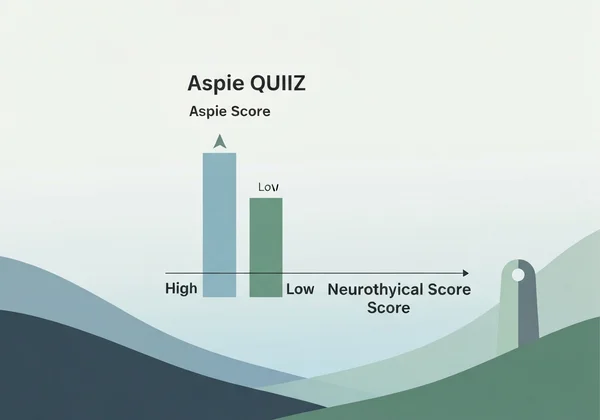
Your results from a self-assessment provide a snapshot of your reported traits compared to neurotypical and autistic profiles. A high Aspie score suggests you share many traits common among autistic individuals, while a high neurotypical score suggests the opposite. Think of these scores not as a label but as a guidepost. They can validate your feelings and give you the language to describe your experiences, helping you understand why you might excel at pattern recognition but find small talk exhausting. This initial insight is a powerful foundation for deeper self-understanding.
When to Consider Seeking a Professional Assessment
Your quiz results, combined with your life experiences, may prompt you to consider a formal evaluation. If your traits significantly impact your daily life—affecting your relationships, work, or mental well-being—seeking a professional assessment can be a logical next step. If you constantly feel misunderstood or struggle with sensory overload or social exhaustion, a formal diagnosis can provide not only clarity but also access to workplace accommodations and targeted support strategies. This is a personal decision, and it’s about seeking confirmation and help, not just a label.
Finding a Qualified Clinician for Adult Autism Assessment
Once you decide to pursue a formal diagnosis, finding the right professional is one of the most critical steps in the how to get diagnosed with autism journey. You need someone experienced in diagnosing adults, as autism can present very differently than it does in children, particularly in women and masking individuals.
Types of Professionals Who Diagnose Autism in Adults
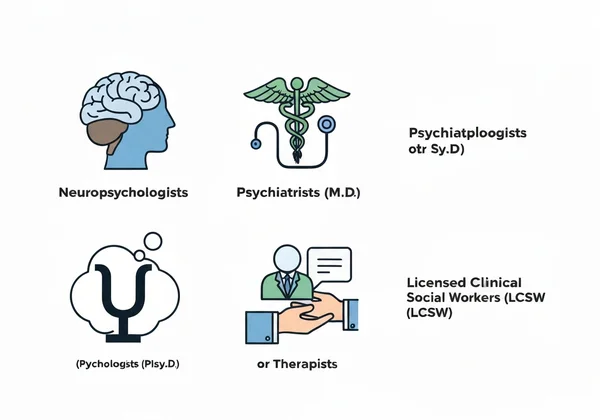
The clinicians qualified to perform an autism assessment for adults typically include:
- Psychologists (Ph.D. or Psy.D.): Often specialize in psychological testing and assessment.
- Psychiatrists (M.D.): Medical doctors who can also rule out or identify co-occurring conditions.
- Neuropsychologists: Experts who focus on how brain function affects behavior and thinking skills.
- Licensed Clinical Social Workers (LCSW) or Therapists: Some may have specialized training in ASD diagnostics, though this is less common.
Always verify that the provider has specific experience with adult autism.
Essential Questions to Ask Potential Assessors
To ensure you find the right fit, don’t hesitate to interview potential clinicians. Empower yourself by asking targeted questions:
- What is your experience with diagnosing autism in adults, specifically in my gender and age group?
- What does your assessment process involve? What tools or tests do you use?
- Do you have experience with "masking" or "camouflaging" in autistic adults?
- What is the estimated cost, and do you accept insurance?
- What can I expect in the final report?
Finding a clinician who listens and understands your unique experience is paramount.
Preparing for Your Adult Autism Assessment
Preparation can help reduce anxiety and ensure your assessment is as accurate as possible. The goal is to provide the clinician with a comprehensive view of who you are, both now and throughout your life.
Gathering Relevant Information and Personal History
Your life story is the most important piece of evidence. Start compiling information that illustrates your traits and challenges over time. This can include:
-
Childhood Memories: Notes on early social interactions, intense special interests, sensory sensitivities, or difficulties with changes in routine.
-
School Report Cards: Teacher comments about your social skills, focus, or unique behaviors can be very insightful.
-
Family Input: If possible and comfortable, ask parents or older relatives for their memories of you as a child.
-
Personal Journals: Your own written reflections on your struggles and strengths.
-
Quiz Results: Bring your results from tools like the Aspie Quiz to show what prompted your inquiry.

What to Expect on the Day of Your Evaluation
Assessments can span several hours or be split across multiple appointments. You will likely engage in a detailed clinical interview, where you'll discuss your developmental history, social relationships, communication style, interests, and sensory experiences. Be prepared to talk openly about your life. Remember, this is a collaborative process designed to help you. There are no right or wrong answers—only your authentic experience.
The Adult ASD Assessment Process: What Happens During?
Understanding the components of the evaluation can demystify the process. It’s not a single test but a comprehensive collection of information from various sources.
Common Components of an Adult Autism Evaluation
A thorough assessment often includes several parts:
- Diagnostic Interview: A deep dive into your life history and current challenges. The clinician will ask about your experiences from childhood to the present day.
- Standardized Questionnaires: You might fill out forms like the Autism Spectrum Quotient (AQ) or the Ritvo Autism Asperger Diagnostic Scale-Revised (RAADS-R).
- Observational Assessments: The clinician may use tools like the ADOS-2 (Autism Diagnostic Observation Schedule), which involves a series of activities and conversations to observe your social communication and interaction patterns.
- Input from Others: Sometimes, with your permission, the clinician may want to speak with a parent, partner, or close friend to get an outside perspective.
Receiving and Understanding Your Diagnosis or Feedback
After the evaluation is complete, you will have a feedback session. The clinician will discuss their findings, whether you meet the criteria for Autism Spectrum Disorder, and what that means. You should receive a detailed written report explaining the results. If you are diagnosed, this report is the official document you can use to request accommodations. If you are not, the clinician should provide alternative explanations for your traits and suggest other avenues for support.
Life After Diagnosis: Next Steps and Ongoing Support
Receiving a diagnosis—or not—is not an endpoint. It’s the beginning of a new chapter of self-understanding and intentional living. It's a key part of answering what to do after aspie quiz and a formal assessment.
Navigating Emotions and Self-Acceptance Post-Diagnosis
An adult diagnosis can bring a whirlwind of emotions: relief, validation, grief for past struggles, and excitement for the future. Allow yourself to feel all of it. This new information allows you to re-examine your life through a new lens, fostering self-compassion and acceptance. It gives you permission to be authentically yourself, unmask, and build a life that accommodates your needs.
Finding Community and Resources for Autistic Adults
You are not alone. One of the most powerful steps after diagnosis is connecting with the autistic community. Online forums like Reddit (r/autism, r/aspergers) and dedicated websites offer invaluable peer support and shared experiences. Look for local support groups, therapists specializing in neurodiversity, and resources that focus on autistic strengths. Building a community helps you learn practical strategies and celebrate your neurodivergent identity. The journey of self-discovery doesn't end here; it truly begins. You can always explore your traits with our online tools.

Your Empowered Journey: From Aspie Quiz to Clarity and Beyond
From the first moment of curiosity that led you to a tool like the Aspie Quiz to the final step of receiving professional feedback, the journey toward an adult ASD diagnosis is one of courage and self-advocacy. Each step is about gathering information to better understand yourself and build a more authentic, fulfilling life. This guide is here to show you that the process, while detailed, is navigable.
Your path is unique, and whether you seek a formal diagnosis or simply use self-assessment tools for personal insight, the goal is the same: to live with greater self-awareness and compassion. Your exploration is valid, and the clarity you gain is empowering. If you're ready to continue your exploration, we invite you to start your journey on our homepage.
Frequently Asked Questions About Adult ASD Diagnosis
Is the Aspie quiz a diagnosis?
No, absolutely not. The Aspie Quiz, like other online self-assessments, is a preliminary screening tool. It is designed to provide insights and help you explore your traits, but it cannot replace a comprehensive evaluation conducted by a qualified healthcare professional. Think of it as a starting point for a conversation, not a conclusion.
How accurate is the Aspie quiz as a preliminary screening tool?
The Aspie Quiz is a well-regarded screening tool that helps many individuals identify potential autistic traits. Its accuracy lies in its ability to highlight areas for further exploration. It can be a very helpful first step, but its results should be interpreted as an indicator, not a definitive measure. For deeper, personalized insights, many users find our optional AI report helpful after they get your results.
What should I do if my Aspie quiz scores are high and I suspect I'm autistic?
If your scores are high and resonate with your life experiences, the next step is to consider the path outlined in this article. Reflect on how your traits impact your daily life and decide if seeking a professional, formal diagnosis would be beneficial for you. Use your results as a tool to open a conversation with a doctor or psychologist.
How long does an adult autism assessment typically take?
The duration varies widely. The entire process, from initial consultation to receiving the final report, can take anywhere from a few weeks to several months, depending on the clinician's availability and the complexity of the assessment. The actual in-person evaluation appointments may total between 4 to 8 hours.
What's the difference between self-identification and professional diagnosis?
Self-identification is when a person researches autism, relates deeply to the experiences of the autistic community, and concludes they are autistic without a formal diagnosis. This is valid and accepted by much of the community. A professional diagnosis is a formal medical process resulting in a clinical confirmation. It is often necessary for accessing legal protections, workplace accommodations, and specific support services. Both paths are centered on self-understanding.