10 Signs of Asperger's in Adults: A Self-Discovery Guide
If you are searching for the 10 signs of asperger's in adults, you may feel like you are quietly living out of sync with the world. Navigating social spaces or finding comfort in deeply structured routines often points to unique neurological traits. This comprehensive guide will help you understand these patterns through clear scenarios, practical coping steps, and common structural checklists. To begin clarifying your personal experiences today, you can explore our self-screening test at your own pace. Let us explore how these distinctive traits shape your everyday life and how you can find empowerment through self-discovery.

What is the Modern Name for Asperger’s Syndrome?
In the past, professionals diagnosed Asperger's syndrome as a distinct condition. However, medical guidelines changed significantly in 2013 with the publication of the DSM-5. Today, clinicians classify Asperger’s under the broader umbrella of Autism Spectrum Disorder (ASD).
This shift occurred because researchers realized that neurodivergent traits exist on a fluid spectrum. Therefore, separate categories often created unnecessary confusion. Even though the official clinical name has changed, many adults still prefer the term "Asperger's" or "Aspie." This is because the name represents a unique identity, a shared history, and a vibrant community. Understanding this history helps you realize that your search for the 10 signs of asperger's in adults is part of a well-documented human experience.
What Are the 10 Signs of Asperger's in Adults?
Recognizing the 10 signs of asperger's in adults can be a profound turning point. While every individual is unique, these ten areas represent the most common traits of asperger's in adults. Reviewing this asperger traits checklist can help you identify your own behavioral and cognitive patterns.

Unspoken Rules of Social Conversation
Socializing often feels like playing a game where everyone else knows the rules but you. For example, you might struggle with the natural flow of small talk. Meanwhile, you might find yourself waiting for an explicit signal to speak. This difference in reciprocal communication is a common indicator of neurodivergence.
Navigating Eye Contact and Body Language
Maintaining direct eye contact can feel intensely uncomfortable or even physically draining. Consequently, you might consciously force yourself to look at people. Also, reading subtle facial expressions or interpreting body language can require active, conscious effort rather than happening automatically.
Intensely Focused Areas of Interest
Many adults with these traits possess a remarkable ability to focus deeply on specific subjects. For instance, you might spend hours researching transit systems, coding, history, or music. Because of this intense dedication, you likely accumulate highly specialized knowledge and become an expert in your chosen field.
Adhering to Strict Routines and Predictability
Predictability brings a deep sense of safety to your daily life. Because of this preference, unexpected changes to your schedule can cause significant internal distress. Therefore, you probably prefer planning your days meticulously to avoid unnecessary surprises or chaotic environments.
Sensitivity to Lights, Sounds, or Textures
Sensory processing differences are central to neurodivergence. For example, the hum of a refrigerator or bright fluorescent lights can feel incredibly loud and distracting. Similarly, certain clothing textures or food consistencies might trigger a strong physical aversion.
Processing and Communicating Complex Emotions
Identifying and describing your own feelings can sometimes feel like translating a foreign language. This trait, often called alexithymia, can make emotional conversations quite challenging. However, it does not mean you lack empathy; rather, you simply process and express your emotions differently.
Managing Daily Executive Function Tasks
Organizing tasks, starting new projects, or transitioning between activities can require immense mental energy. If you struggle with executive functioning, even simple chores might feel overwhelming. As a result, you might rely heavily on written lists and digital reminders to stay on track.
Conversational Directness and Literal Interpretation
You likely value honesty and communicate with a high degree of directness. However, this means you might take sarcasm, figures of speech, or idioms completely literally. While some may view this as bluntness, it actually stems from a genuine desire for clear and truthful communication.
Coordination and Subtle Motor Patterns
You might have noticed a slight awkwardness in your physical movements. For example, you may bump into door frames or find manual tasks like buttoning shirts unusually difficult. These subtle motor coordination differences are frequently noted in adult neurodivergent profiles.
Intense Fatigue After Social Gatherings
Even when you thoroughly enjoy spending time with friends, social interaction quickly drains your energy. Afterward, you require a significant period of solitude to recharge your social battery. If you do not get this quiet time, you may experience profound physical and mental exhaustion.
What Does High-Functioning or Mild Asperger's Look Like?
When looking at the 10 signs of asperger's in adults, many notice that their traits are highly hidden. This presentation is often referred to as high functioning asperger's symptoms in adults or mild traits. However, these labels can be misleading because they only describe how you appear to others, not how you feel inside. Many go through life carrying undiagnosed asperger's in adults symptoms while trying their best to adapt.
The Mental Fatigue of Social Masking
Social masking is the conscious copying of neurotypical behaviors to blend in. For example, you might prepare conversational scripts or force eye contact. Over time, keeping up this performance leads to intense burnout and anxiety.

Why Mild Traits Frequently Go Undiagnosed
Because you can mask your traits, your challenges may remain invisible to coworkers and friends. Consequently, many individuals reach adulthood without ever receiving an accurate understanding of their traits. They often feel deeply misunderstood because their internal struggles are completely overlooked.
To help you reflect on your own habits, review this self-reflection checklist on social masking:
| Masking Behavior | How It Manifests in Your Daily Life |
|---|---|
| Conversational Scripting | Preparing lists of topics or pre-planned answers before a social call. |
| Forced Eye Contact | Staring at the bridge of a person's nose to simulate natural contact. |
| Suppressing Stims | Holding back natural movements, like tapping your fingers, in public. |
| Mimicking Gestures | Actively copying the laughter, posture, or expressions of others to fit in. |
Do Signs Differ Between Adult Men and Women?
The expression of neurodivergence is highly shaped by social expectations and gender roles. Therefore, the 10 signs of asperger's in adults can look remarkably different depending on your gender.
Common Expressions of Asperger’s in Adult Men
In men, the 10 signs of asperger's in adult men often align more closely with traditional diagnostic criteria. For instance, men may display highly visible, structured special interests. Additionally, mild asperger's symptoms in male adults frequently manifest as a preference for solitary hobbies, direct communication, and a strict adherence to logic over social niceties.
How Autistic Masking Shapes Traits in Women
In contrast, women are often socialized to be highly relational from an early age. Consequently, neurodivergent women tend to become exceptionally skilled at masking. They may copy social interactions so perfectly that their traits remain hidden. However, this constant mimicry often leads to chronic fatigue, misdiagnoses of borderline personality disorder or anxiety, and late-in-life self-discovery.
Managing Emotional Overload and Social Exhaustion
While exploring the 10 signs of asperger's in adults, you might recognize moments of intense emotional overwhelm. Living in a world that is not designed for your sensory needs can be incredibly exhausting.
Understanding Sensory Overload vs. Anger Issues
When your brain receives more sensory input than it can process, you may experience sensory overload. In adults, this can look like irritability, sudden withdrawal, or emotional outbursts. Unfortunately, family members often mistake these meltdowns for anger issues. In reality, they are involuntary physiological responses to an overwhelmed nervous system.
Practical Grounding Tools for Sensory Fatigue
To manage this fatigue, you must build supportive routines into your day. For example, wearing noise-canceling headphones in busy environments can preserve your energy. Also, creating a quiet, low-light space in your home gives your nervous system a chance to recover.
If you feel your sensory system starting to overload, try using this simple, actionable grounding routine:
- Remove the Trigger: If possible, step away from the loud room, bright light, or crowded space immediately.
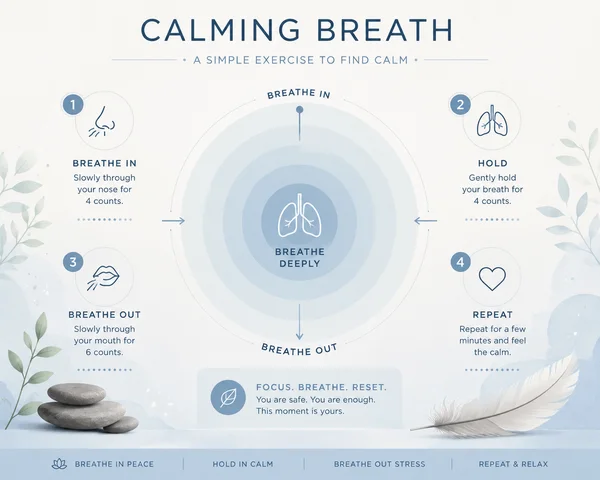
- Focus on Your Breath: Close your eyes and inhale slowly for four seconds, hold for four, and exhale for four.
- Find a Comforting Texture: Touch a soft fabric or hold a smooth grounding stone to redirect your focus.
- Use Low-Stimulation Tools: Open a comforting sensory app or practice quiet visualization.
- Give Yourself Grace: Allow yourself at least fifteen minutes of complete silence without expecting yourself to be productive.
How Can an Educational Self-Screener Help You Next?
Reflecting on the 10 signs of asperger's in adults is a powerful first step. However, navigating these complex traits on your own can feel overwhelming. This is where an educational self-screener can provide clarity.
Reflecting on Your Unique Traits
A structured questionnaire allows you to look at your daily experiences objectively. Instead of viewing your habits as isolated quirks, you can see how they connect to a broader, well-understood cognitive profile. This structured reflection helps reduce self-doubt and validates your lived experiences.
Introducing the Aspie Quiz: A Compassionate Path to Self-Discovery
We invite you to try the free Aspie Quiz as a gentle way to explore your traits. This online tool is entirely educational and designed to help you understand your unique strengths and challenges. It provides a supportive, private space where you can gather insights and take ownership of your self-discovery journey.

Your Path Forward in Neurodivergent Self-Discovery
Reviewing the 10 signs of asperger's in adults can bring immense relief and a deep sense of validation. It helps you realize that your differences are not personal failures, but rather the natural expressions of a neurodivergent mind. As you continue reviewing these online screening tools, remember that self-discovery is a highly personal, step-by-step journey.
While self-screeners are incredibly empowering, they do not replace clinical evaluations. If your traits significantly affect your well-being or if you desire formal accommodations, consider reaching out to a neurodiversity-friendly professional. Whether you choose to seek a formal diagnosis or simply embrace self-understanding, you deserve to move forward with confidence, self-compassion, and peace of mind.
Frequently Asked Questions
How can you tell if someone has Asperger's traits in adulthood?
To recognize Asperger's traits in adults, look for long-standing patterns rather than isolated events. Key indicators include a preference for literal communication, intense focus on specific passions, sensory sensitivities, and a strong reliance on daily predictability and routines.
What is one of the most common early indicators of autism in social communication?
One of the most frequent indicators in adults is experiencing difficulty with the natural, unwritten rules of social engagement. This often manifests as struggling with small talk, feeling disconnected from group conversations, or needing to consciously plan eye contact and gestures.
Do communication differences cause people with Asperger's to argue?
Adults with Asperger's value honesty and clarity, which leads them to speak very directly. While neurotypical individuals might misinterpret this literal, direct style as argumentative or blunt, it actually comes from a sincere desire to communicate facts accurately.
What does very mild Aspergers look like in a daily routine?
A person with mild traits may appear quiet and highly organized. However, behind closed doors, they likely rely on strict schedules to prevent anxiety and experience deep fatigue after social events due to constant masking.
Is Asperger’s Syndrome still distinct from Autism Spectrum Disorder?
Clinically, Asperger’s is no longer diagnosed as a separate condition. It is now officially merged into the single category of Autism Spectrum Disorder (ASD). Nonetheless, many adults still use the term to describe their unique identity and connect with the community.